
In an era where smartphones have become ubiquitous, the issue of phone overheating has emerged as a common concern for many users. It can lead to not only discomfort while using the device but also potential hardware damage and diminished performance. While it’s easy to dismiss overheating as a mere inconvenience, it’s crucial to delve deeper into its causes and explore effective solutions. This article will take you through the baffling phenomena of phone overheating, what triggers it, and how you can mitigate its effects. Understanding this topic is not only relevant but also essential for prolonging the lifespan of your device.
Every smartphone user has likely experienced that moment of shock when their device feels like it’s heated to the touch. It’s reminiscent of that last summer outing where the heat was relentless and uncomfortable. But just like you wouldn’t stay in a sauna for too long, your device needs care to avoid the perils of overheating. By grasping the underlying factors, you can take the right steps to protect your phone. This guide will arm you with the knowledge needed to keep your device functioning optimally.
Common Causes of Phone Overheating

Understanding the common causes of phone overheating is vital for prevention. Various factors contribute to a device running hotter than it should. First, let’s examine the hardware components, which include the battery, processor, and overall design of the phone. When these components are exerted under heavy loads, they can heat up remarkably. Additionally, software problems such as outdated applications or rogue processes can cause the CPU to work overtime, leading to increased temperatures.
Environmental factors play a critical role in overheating as well. Extreme temperatures, both hot and cold, can adversely affect phone performance. High humidity levels can worsen the heat dispersion mechanisms, trapping heat inside the device. To illustrate the interplay of these issues, we can summarize them as follows:
- Hardware Issues: Battery malfunctions, processor strain
- Software Problems: Background applications, outdated software
- Environmental Factors: High temperatures, humidity
Hardware Issues
The hardware within a smartphone is designed to handle typical usage conditions, but when pushed beyond its limits, overheating can result. High-performance applications or games that require substantial processing power may push the CPU and GPU to their limits, generating excess heat. Additionally, a faulty battery can also cause overheating due to poor energy conversion. If the internal components are not adequately ventilated, especially when encased in heavy-duty covers, the heat will not dissipate efficiently, exacerbating the situation.
Software Problems
On the software side, some applications and background services continue to run, consuming resources and increasing the device’s workload. An outdated operating system can also have bugs that exacerbate overheating problems. It’s vital to keep your device’s software updated to prevent such issues. Regular app updates can improve performance and lower the risk of overheating. Not to forget, sometimes it boils down to user habits. Running too many applications at once, especially on older devices, can lead to a relentless cycle of overheating.
Signs Your Phone is Overheating
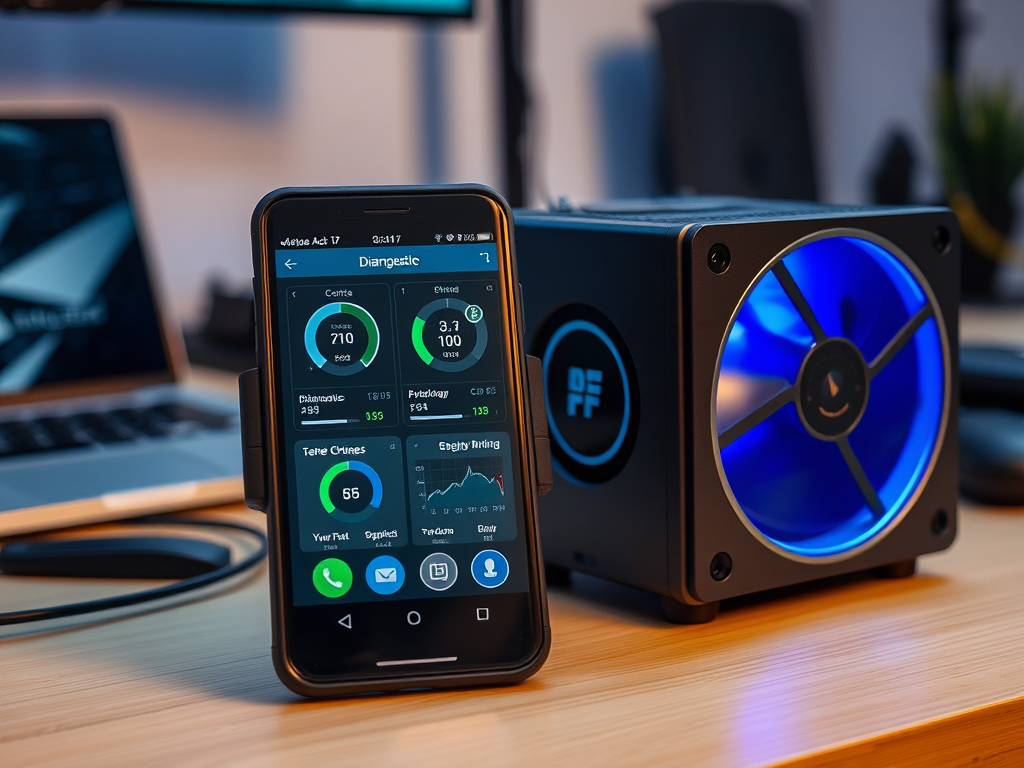
Recognizing the signs of an overheating phone can save you from more serious issues. Many users would rather ignore signs until it’s too late. Hence, it’s crucial to be vigilant about your device’s behavior. Here are some visual and functional symptoms that indicate your phone may be overheating:
- Excessive heat on the device’s surface
- Screen dimming or flickering
- App crashes or freezes
- Unusual battery drainage
- Device shutting down unexpectedly
| Symptoms | Description |
|---|---|
| Excessive Heat | The phone feels hot to touch, especially the back. |
| Screen Issues | Screen brightness fluctuates unexpectedly. |
| App Performance | Apps may freeze or crash more frequently. |
| Battery Life | Battery drains faster than usual, even without heavy usage. |
Solutions to Prevent Phone Overheating
Preventing your phone from overheating is often manageable with a few practical steps. By understanding how to maintain your device and being proactive, you can enhance performance and longevity. First and foremost, software management is crucial. Keeping your operating system and applications up to date will ensure optimal performance. Secondly, be mindful of the applications you are running; close those that you do not need currently. Consider using apps specifically designed for monitoring CPU temperature.
On the hardware side, it’s worth investing in cases that provide good ventilation rather than opting for overly protective options. Additionally, avoid using your phone while it’s charging, as this can exacerbate heat production. Storing your phone in cooler places and avoiding direct exposure to sunlight can also help in managing temperature. Here’s a quick list of practical tips for maintaining optimal phone temperature:
- Update your software regularly.
- Limit the number of background applications.
- Use cooling apps to monitor temperature.
- Invest in ventilation-friendly cases.
- Avoid direct sunlight exposure.
When to Seek Professional Help
In some cases, despite your best efforts, overheating can persist. When should you consider reaching out to a professional for help? If your phone continues to shut down unexpectedly or becomes unusually hot even when not in use, it may be time for a diagnostic check. Issues could stem from hardware malfunctions that require professional expertise. A technician can conduct a thorough assessment to pinpoint exact hardware or software issues, providing relief and solutions.
Common diagnostic tests performed by professionals include:
- Battery health assessment to determine any malfunction.
- Thermal imaging to visualize heat hotspots.
- Software and firmware checks for bugs and inefficiencies.
Conclusion
Understanding phone overheating is essential for any smartphone user. Recognizing the signs, understanding the causes, and implementing practical solutions can go a long way in preserving your device’s lifespan. Adopting good habits and staying informed can help ensure your phone remains cool when you need it the most. With careful management, you can enjoy a more efficient and longer-lasting smartphone experience. Don’t overlook the importance of addressing overheating issues, as a proactive approach is always better than a reactive one.
Frequently Asked Questions
- What causes my phone to overheat? Overheating can result from intensive apps, hardware malfunctions, or environmental factors such as high temperatures.
- Is it safe to use my phone while it’s overheating? No, using an overheating phone can lead to hardware damage or battery issues.
- Are there specific apps that cause my phone to overheat? Yes, resource-heavy apps, especially games and streaming services, can lead to overheating.
- How can I tell if my phone is overheating? Signs include excessive heat on the back, screen dimming, slow performance, or random shutdowns.
- What should I do if my phone continues to overheat? If overheating persists, consider seeking professional advice or support.